- Market
- Turkey
- Product
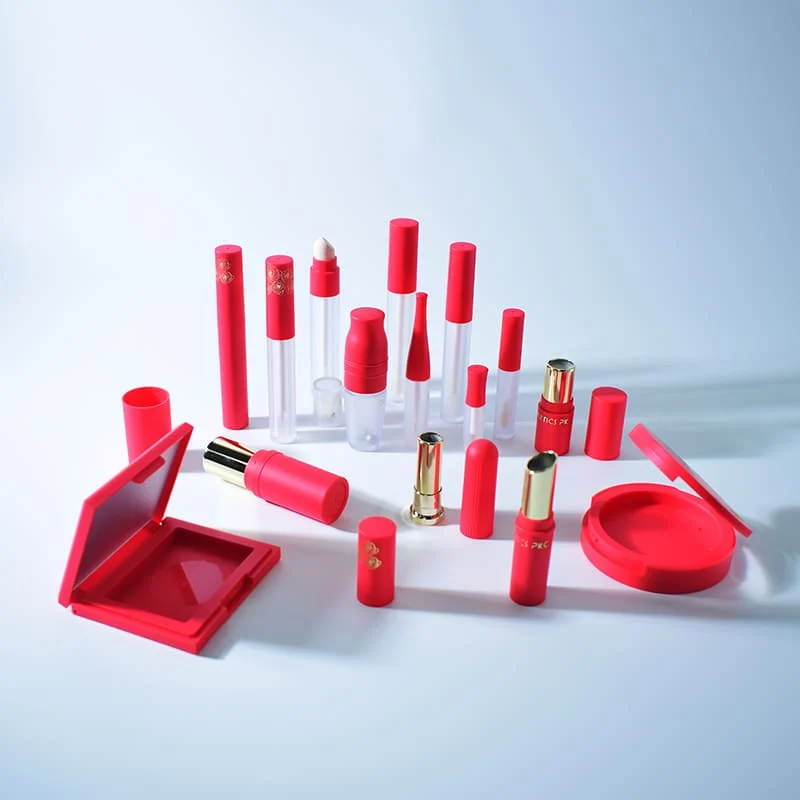
- Colour cosmetics, skincare and daily care — made in-house or coordinated through one partner
In short: in 2023 a customer in Turkey placed a first order worth just over USD 700 of colour cosmetics. As his business grew he added skincare and daily care without taking on a new supplier for every category: what fits our factory we make, the rest we find and coordinate. One partner, a wider range.
Expanding a beauty product line creates opportunities. Behind every new product, though, sits a series of sourcing decisions.
Why multi-category development becomes complicated
You may begin with makeup and later introduce skincare, body care or other personal care products. Each new category can involve different manufacturers, samples, quality requirements and production schedules.
For a growing business, the challenge is not simply finding more products. It is managing the work required to bring them to market.
Imagine developing several new products at the same time. You need to find suppliers, compare product options, confirm specifications, request samples and coordinate changes. If every category comes from a different factory, your team repeats the same communication and supplier evaluation — and product development slows down while sales and brand work wait.
Real case: how our Turkish customer’s sourcing needs expanded
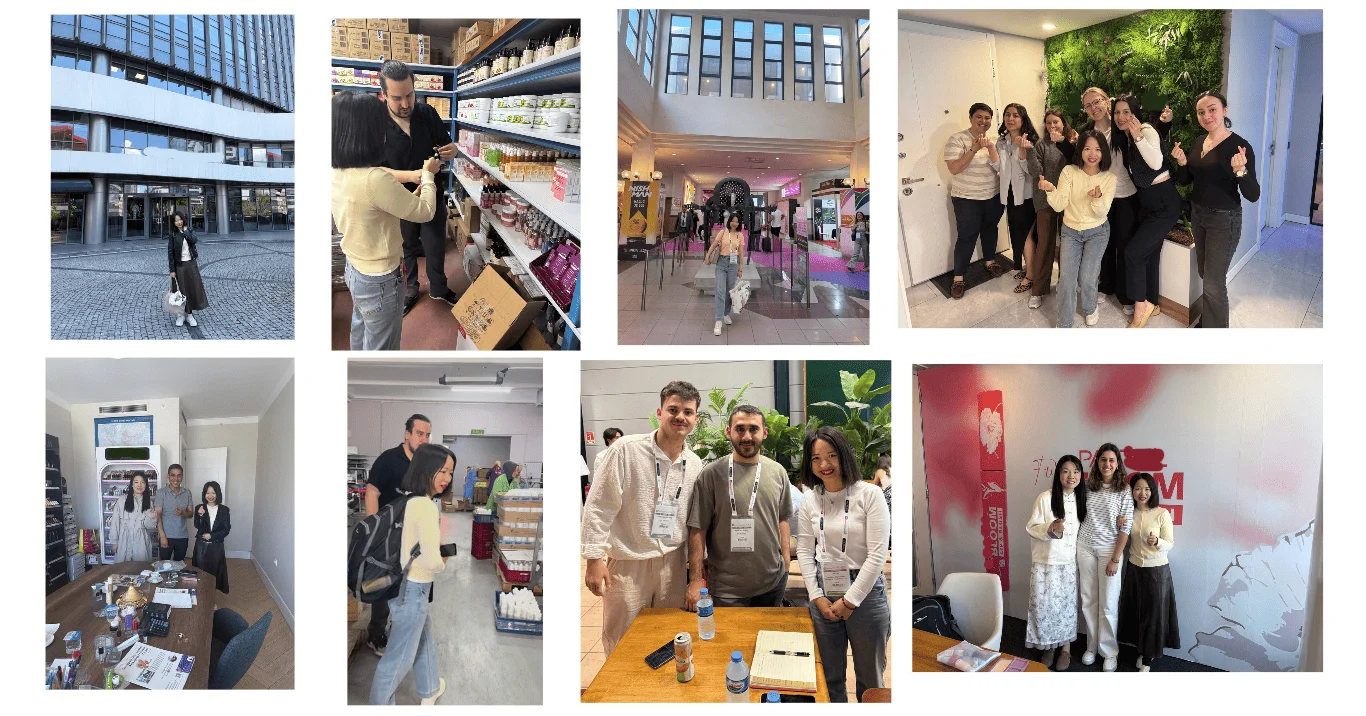
We started working with a customer from Turkey in 2023. His first order was worth just over USD 700 and focused on colour cosmetics.
Over time he became satisfied with our communication, product quality, delivery coordination and after-sales support. As his business expanded, he began developing additional skincare and daily care categories.
Instead of approaching every manufacturer independently, he could share product pictures and requirements with our team.
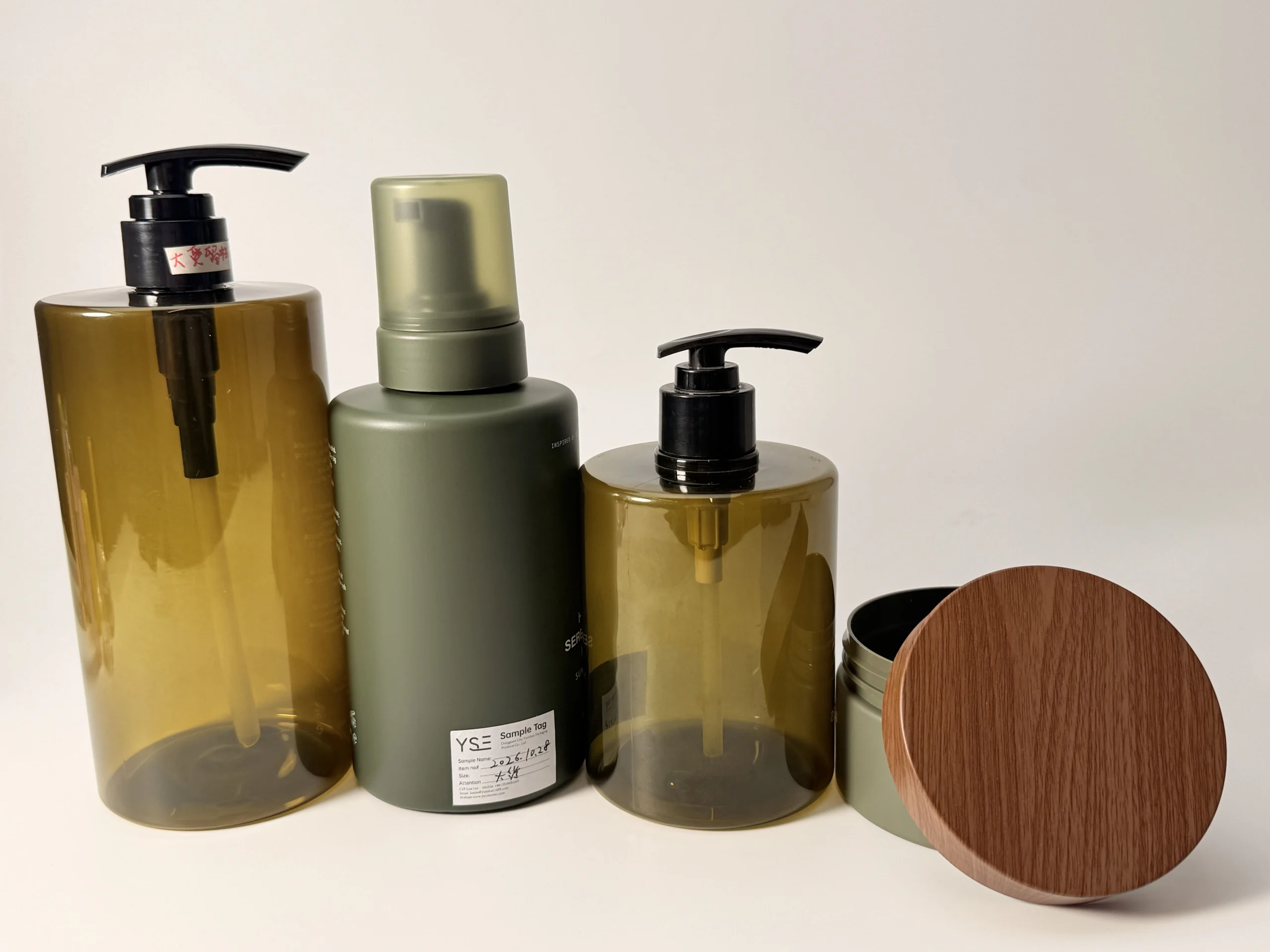
For products within our manufacturing capabilities, we handled the relevant production work. For other categories, we helped identify and coordinate suppliers, review their reliability and production capability, and follow up on product quality and the issues that needed solving.
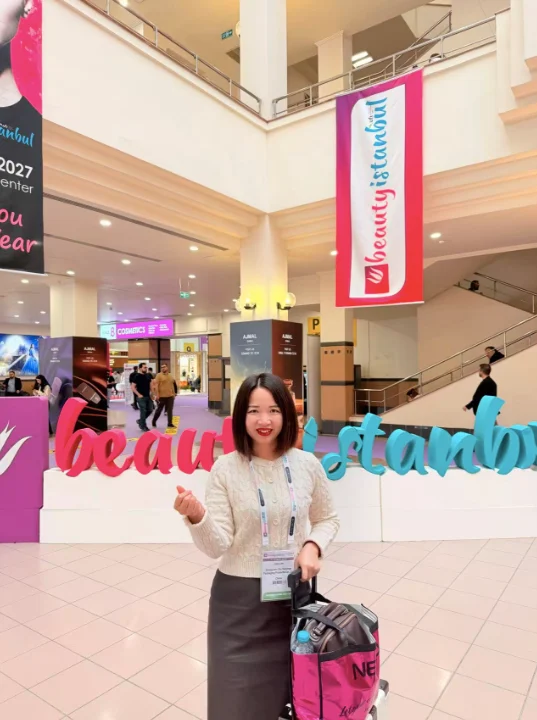
This made our cooperation broader than individual product orders. One relationship carried a growing range instead of a growing supplier list.
How to simplify product line expansion
- Start with a clear product plan. Identify the categories, target customers, product positioning and expected quantities.
- Separate manufacturing from sourcing. Understand which products can be made directly and which require specialised partners.
- Use a consistent approval process. Agree specifications, samples and quality expectations before confirming orders — the same sequence described in our packaging process.
- Coordinate product schedules. Review different product timelines together to identify potential conflicts before they become delays.
How we can help
Our role is to connect product ideas with practical manufacturing and sourcing options: reducing unnecessary back-and-forth communication, helping evaluate suppliers, and coordinating the steps that move a project forward.
Your business may need more product categories. That does not mean your team should have to manage more and more supplier relationships.
One partner, not one factory
One-stop sourcing does not mean every product comes from a single factory. It means one team answers for the whole range: producing what our plant produces, and coordinating the specialised manufacturers for everything else. On both sides of that line, specifications and quality expectations are agreed before an order is confirmed, not after.
FAQ
Can one partner help develop makeup, skincare and personal care products?
Yes, depending on its manufacturing and sourcing capabilities. Ours covers colour cosmetics in-house, with skincare and daily care coordinated through vetted manufacturers.
Does one-stop sourcing mean every product comes from one factory?
No. It may involve several specialised manufacturers, coordinated through one sourcing partner who answers for specifications, samples and follow-up.
What information is needed to start a new product line?
Product references, target market, positioning, specifications, expected quantities and a preferred launch schedule are useful starting points. Photos of an existing product work as a first brief.
Planning to expand your range? Share the categories you want to develop — we will review which fit our manufacturing capability and which need coordinated sourcing. Explore product development options, or send the brief directly and we will answer in one reply.